Thu, Oct 1, 2026
Volume 11 - Continuous Publishing
Iran J Neurosurg 2025, 11 - Continuous Publishing: 0-0 |
Back to browse issues page



Ethics code: IR.GUMS.REC.1402.602


Download citation:
BibTeX | RIS | EndNote | Medlars | ProCite | Reference Manager | RefWorks
Send citation to:


BibTeX | RIS | EndNote | Medlars | ProCite | Reference Manager | RefWorks
Send citation to:
Hosseinzadeh F, Rezaee S, Ghalandari M, faraji Darkhane R, Emamhadi M, Yousefzadeh-Chabok S. Trend of Brachial Plexus Birth Paralysis Incidence in North Iran: An 11-year Analytic Study. Iran J Neurosurg 2025; 11 : 30
URL: http://irjns.org/article-1-508-en.html
URL: http://irjns.org/article-1-508-en.html
Fatemeh Hosseinzadeh *1 

 , Sahel Rezaee2 , Maryam Ghalandari3 , Roya Faraji Darkhane1 , Mohammadreza Emamhadi4 , Shahrokh Yousefzadeh-Chabok5
, Sahel Rezaee2 , Maryam Ghalandari3 , Roya Faraji Darkhane1 , Mohammadreza Emamhadi4 , Shahrokh Yousefzadeh-Chabok5
1- Department of Obstetrics and Gynecology, Reproductive Health Research Center, School of Medicine, Al-Zahra Hospital, Guilan University of Medical Sciences, Rasht, Iran.
2- Student Research Committee, Guilan University of Medical Sciences, Rasht, Iran.
3- Vice-Chancellorship of Research and Technology, Guilan University of Medical Sciences, Rasht, Iran.
4- Guilan Road Trauma Research Center, Guilan University of Medical Sciences, Rasht, Iran.
5- Guilan Road Trauma Research Center, Guilan University of Medical Sciences, Rasht, Iran. & Department of Neurosurgery, Poursina Hospital, School of Medicine, Guilan University of Medical Sciences, Rasht, Iran.
2- Student Research Committee, Guilan University of Medical Sciences, Rasht, Iran.
3- Vice-Chancellorship of Research and Technology, Guilan University of Medical Sciences, Rasht, Iran.
4- Guilan Road Trauma Research Center, Guilan University of Medical Sciences, Rasht, Iran.
5- Guilan Road Trauma Research Center, Guilan University of Medical Sciences, Rasht, Iran. & Department of Neurosurgery, Poursina Hospital, School of Medicine, Guilan University of Medical Sciences, Rasht, Iran.
Full Text [PDF 942 kb]
(155 Downloads)
| Abstract (HTML) (630 Views)
Full Text: (149 Views)
1. Introduction
Brachial plexus birth paralysis (BPBP) is defined as a neurological deficit in neonates, which is diagnosed soon after birth [1]. BPBP is caused by the stretching of nerve roots by an external force [2]. Its severity depends on the number of affected brachial nerves. The brachial plexus consists of the lower 4 cervical (C5-C8) and first thoracic nerve roots (T1) [3]. In this injury, the brachial plexus structure is damaged, and its function is impaired. This damage leads to disorders of motor skills, senses, and autonomic nerves below the affected area [4]. The prevailing classification categorizes BPBP into 3 distinct groups: Erb palsy (C5-C7 roots), Klumpke palsy (C8-T1), and total paralysis in which all nerve roots are affected [5]. BPBP is a clinical diagnosis based on physical examination of the infant [2].
Despite efforts to reduce the prevalence of BPBP, there are still a considerable number of neonates suffering from this birth injury. The annual global incidence of BPBP is estimated to be between 0.4 and 4 per 1000 live births [4]. This rate varies among places. It is higher in low- or middle-income countries. In the United States, the incidence of BPBP is 1.5 per 1000 live births [2]. In a 10-year study in Nigeria, 15.3% of newborns were diagnosed with this neural injury [5]. In our country, Iran, several studies have yielded different results [6].
Few studies of BPBP have reported bilateral hand injury among patients [6, 7]. However, those neonates with unilateral paralysis have their own difficulties. They have to make efforts only with the unaffected arm and cannot perform with the paralyzed extremity [7]. Aside from physical limitations and its devastating impact, this neural disability may be followed by a high stress level. Also, their families face financial difficulties [4, 8]. Patients with BPBP put a burden on their families, because their condition necessitates much more care and higher costs after birth [7]. Therefore, knowing the incidence of BPBP is of high importance in this topic, since the health policies were created (2018), aiming at increasing rates of vaginal delivery (VD) in our country. In fact, VD is strongly associated with several predictive risk factors for BPBP, including shoulder dystocia and fractures of the clavicle and humerus due to excessive force during delivery [9]. On the other hand, cesarean section (C/S) has a protective effect against the development of BPBP [10].
Primarily, this study was conducted to demonstrate the trend of BPBP incidence over 11 years. In addition, we decided to identify the impact of the above-mentioned policies on the trend of BPBP incidence. In fact, prior studies have placed little emphasis on the impact of health policies on this injury. So, this study may serve as a light for future researchers. Also, this research may provide valuable insights for health politicians to facilitate more informed decisions. This information can reduce treatment costs and increase mothers’ productivity.
2. Methods and Materials
This analytic study was conducted among patients born at Al-Zahra Hospital, the Main Obstetrics Center in Rasht City, Iran. In this incidence study, a census sampling approach was employed, in which all observed cases of BPBP during the study period (from the beginning of 2013 to the end of 2023) were included to estimate disease incidence rates accurately. Data of all neonates diagnosed with BPBP were collected from the hospital registry. All patients were primarily diagnosed by obstetricians based on clinical examinations shortly after birth, and the diagnosis was subsequently confirmed by a neurosurgeon at Poursina Hospital, the referral Neurosurgery Center in Rasht, Iran.
Demographic characteristics included maternal age, gestational age, gender, birth weight, height, and head circumference. Additionally, clinical information included the type of paralysis, side of injury, occurrence of clavicle fracture, humerus fracture, and shoulder dystocia, as well as the type of delivery for each birth.
The correct presentation of people’s data, the use of reliable and new methods to obtain accurate results, respect for honesty and trustworthiness, honesty in analyzing and keeping the information of the people under investigation confidential, and carefulness in the proper use of funds and equipment were all ethical principles of the study. Data normality was evaluated using the Shapiro-Wilk test. This study reported descriptive statistics for qualitative variables using frequencies and percentages, and for quantitative variables using the Mean±SD for normally distributed data. In contrast, the median and the first and third quartiles were used for nonparametric data. The results were analyzed using SPSS software, version 26.
Joinpoint Regression was applied to assess the average annual percent changes (AAPCs) and annual percent changes (APCs) in incidence rates. This model enables the identification of statistically significant changes in temporal trends. Version 5.0 of the Joinpoint software was used to determine the trend in disease incidence. Time trends were considered statistically significant when APCs or AAPCs had a P<0.05. The AAPCs and APCs, along with their 95% confidence intervals (95% CI), were computed. The optimal model was selected using the weighted Bayesian information criterion (WBIC) and the Bayesian information criterion (BIC). The logarithm of BPBP incidence rates served as the dependent variable, and calendar year was the independent variable.
3. Results
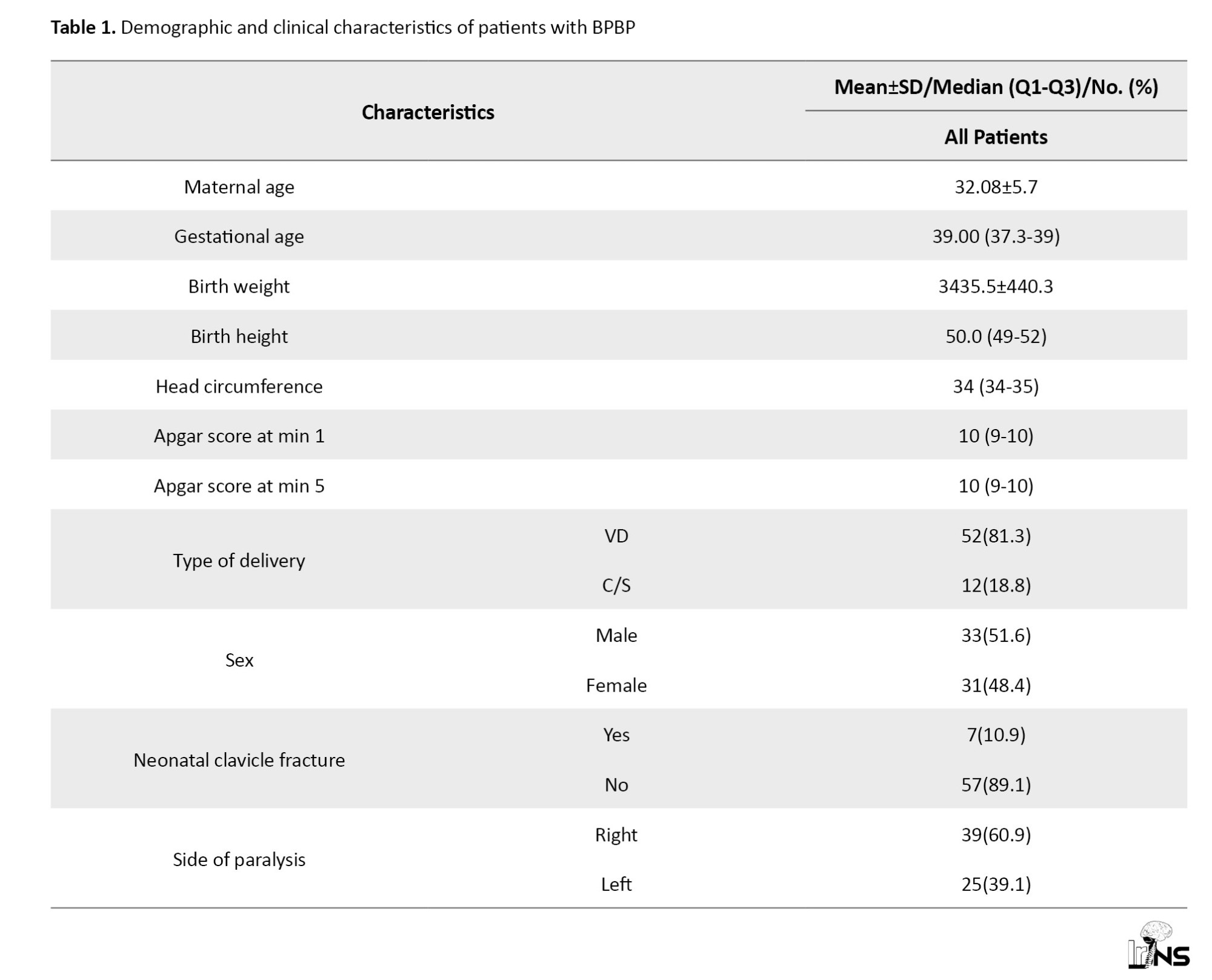
A total of 41617 live births occurred at our hospital during the study period. The medical records of 64 patients with BPBP were reviewed in this study. Of these, 33 patients (51.6%) were male, and 31(48.4%) were female. The Mean±SD of the maternal age was 32.08±5.69 years. The median of gestational age was 39 weeks. The Mean±SD of the weight of patients with BPBP was 3435.5±440.3 g. The median height and head circumference of patients with BPBP were 50 and 34 cm, respectively. The median Apgar score for patients with BPBP was 10.
The clinical profile of the patients indicated that the vast majority (52, 81.3%) were delivered via VD, and 12(18.8%) via C/S. We found that none of the patients were delivered through instrumental delivery. Among the cases, 39 patients (60.9%) were diagnosed with right-sided BPBP, and 25(39.1%) were injured on the left side. We did not observe bilateral paralysis in this study. According to the medical records, we found that all of them had Erb palsy, with no instances of Klumpke palsy or total brachial plexus injury. Also, our investigation revealed that 6 patients (11.5%) were confirmed to have been delivered with shoulder dystocia. Moreover, among patients with BPBP, no patient had a humeral fracture. Also, only 7 cases (10.9%) had a clavicle fracture diagnosed at the same time as BPBP. Results are shown in Table 1.
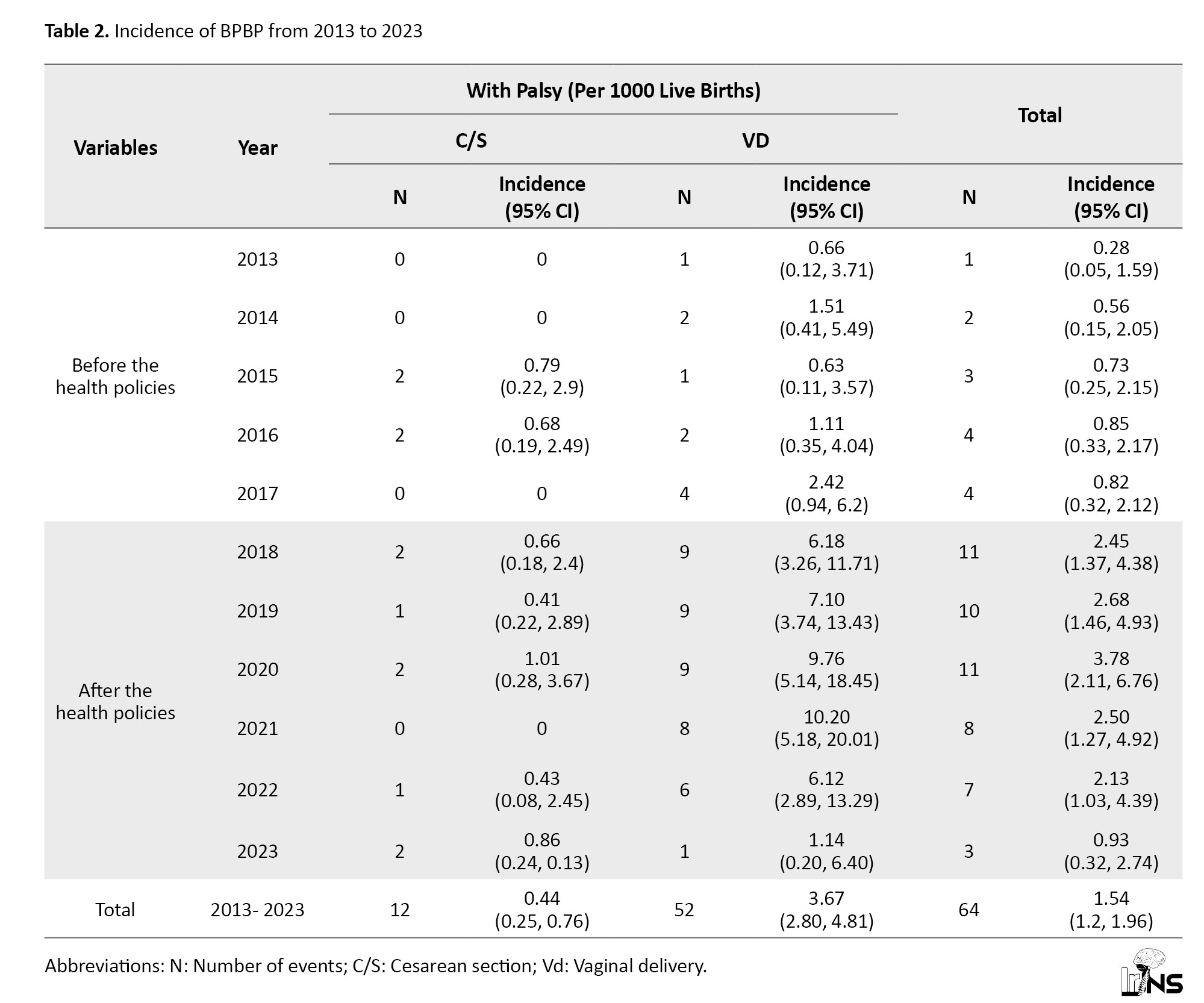
Over 11 years, the results revealed an incidence of BPBP of 1.54 per 1000 live births. Also, the incidence of BPBP patients born with VD was 3.67 per 1000 live births. Table 2 presents the incidence of this paralysis by year. Accordingly, the highest incidence among all patients was 3.78 per 1000 live births in 2020, after the health policies aiming at increasing VD in 2018.
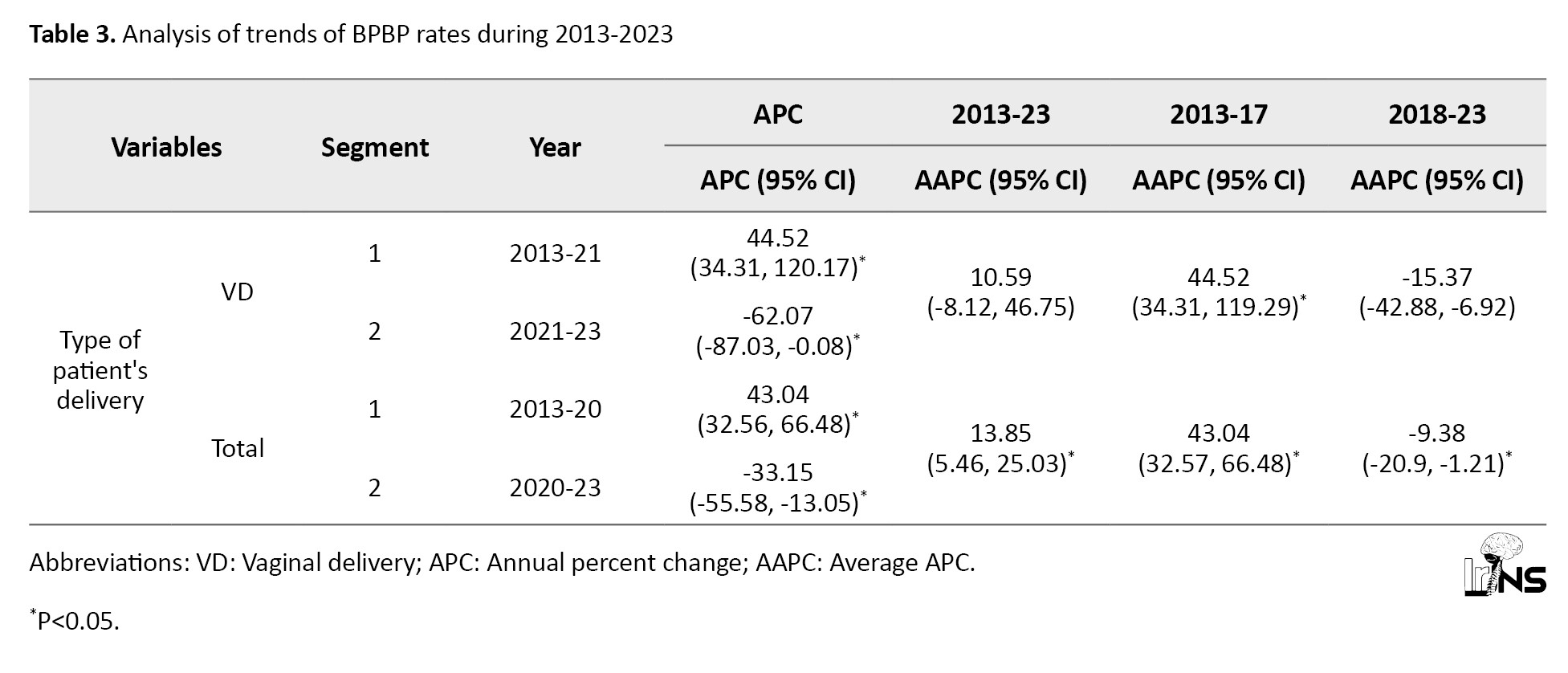
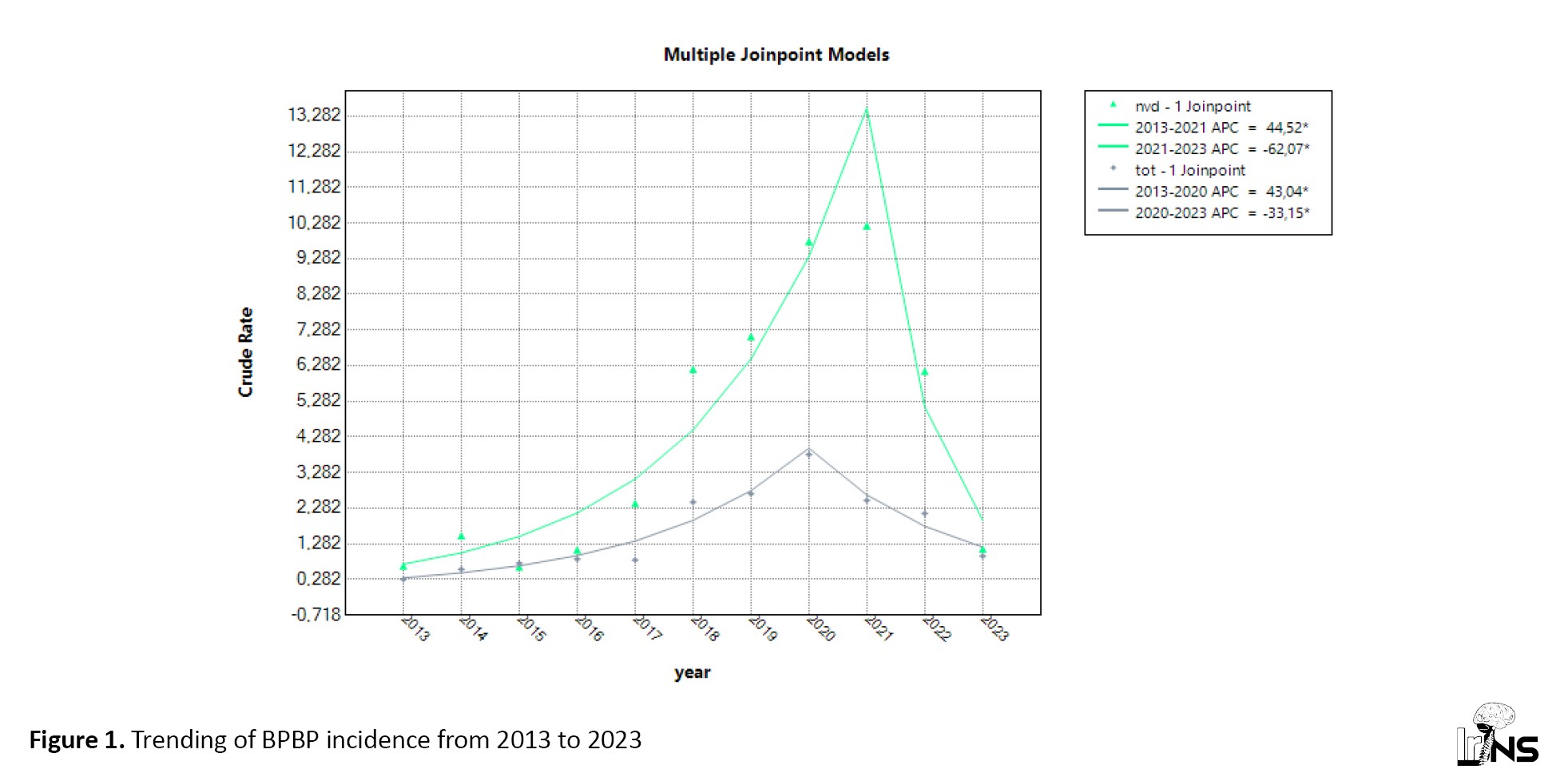
The regression analysis illustrated that the incidence of BPBP increased during the entire period of study (AAPC: 13.85%; 95% CI, 5.46%, 25.03%) (P<0.05). Furthermore, in Joinpoint regression analysis, a model with one breakpoint in 2020 was selected as the best, with a WBIC value of -0.533. This finding presented an increasing trend to 2020 (APC: 43.04; 95% CI, 32.56%, 66.48%), (P<0.05) and then, decreased (APC: -33.15; 95% CI, -55.58%, -13.05%), (P<0.05).
The incidence of BPBP increased throughout the study period during delivery of VD, although this was not significant. In Joinpoint regression analysis, a model with one breakpoint in 2021 was selected as the best, with a WBIC value of 0.086. This outcome showed an increasing trend through 2021 (APC: 44.52; 95% CI, 34.31%, 120.17%) (P<0.05), followed by a decrease (APC: -62.07; 95% CI, -87.03%, -0.08%) (P<0.05).
Given the timing of policy implementation, AAPC values for 2013-17 (before the health policies) and 2018-23 (after the health policies) were calculated for the incidence of BPBP among all deliveries and deliveries of VD. Results showed an increasing trend before the implementation of health policies in total and VD deliveries, which was significant in both. Results are shown in Table 3 and Figure 1.
4. Discussion
To date, no studies have assessed the impact of policies aimed at increasing rates of VD on the incidence of BPBP in our country, Iran. As an initial step in this investigation, we showed that the incidence of BPBP has increased significantly among our population over the study period (2013–2023). Despite the purpose of these policies, the results also show a downward trend in VD rates during the study years. Compared with the results of numerous studies, our research indicates that this decline is inconsistent with the rising incidence of BPBP [12, 13]. In fact, VD is one of the undeniable causes of the occurrence of this neural birth injury, due to its significant association with the majority of risk factors, such as birth weight and shoulder dystocia [14].
Additionally, another result shows that C/S rates have increased significantly throughout the study. Similar to the decline in VD rates, it also contradicts the rising incidence of BPBP. C/S is obviously more protective against excessive force on the brachial neural plexus [15]. As the main finding, our study demonstrates that these two trends coexist with a significant rise in BPBP incidence. These findings indicate that policies aimed solely at increasing the number of C/S, rather than improving training methods, cannot solve this health issue in the future. So, health policymakers need to be aware of our findings to make better decisions that significantly reduce the incidence of BPBP.
Moreover, in a systematic review by Jaufuraully et al. [11], approximately 1% of all neonates with BPBP underwent C/S. Similarly, in another study, Belabbasi et al. [16] claimed that C/S did not play an important role among other risk factors for this paralysis, and included only 9% of their cases. However, in our population, the percentage of this risk factor was 18.75% (n=14), which was significantly higher than previous studies. At all, our research suggests that obstetricians should pay more attention to the risk of BPBP during C/S and the importance of all traction methods, not only those involving excessive force on the neural brachial plexus. On the other hand, aside from propulsive forces at birth, there could be additional causes, including intrauterine maladaptation [16]. Unfortunately, there is not enough information about them, which requires further research.
Furthermore, we examined several risk factors that directly or indirectly affect the occurrence of BPBP at birth. This finding may provide a better understanding of the rising incidence of BPBP in our research. The results of several neonatal and maternal risk factors of this neural injury were in line with other studies, including maternal age (>30 years), gestational age (>36 weeks), weight (>3.5 kg), height (>50 cm), and head circumference (>34 cm) [14, 17].
In addition, the present study determines the significant impact of shoulder dystocia as a predictive factor, affecting 88.5% of patients. In a study by Shah et al. [17], shoulder dystocia was the strongest modifiable risk factor. Still, they noted the lack of attention to the increasing rates of neonates with BPBP in the absence of shoulder dystocia during delivery. In relation to other predictive factors, this study did not identify any BPBP patients diagnosed with a humerus fracture. Also, only 10.9% of them had a clavicle fracture diagnosed at the same time as BPBP. In a 3-year study of 125 BPBP cases, Lopez et al. reported that only 7 had clavicle fractures and 1 had a humeral fracture [16]. Neonatal bone fracture is a consequence of excessive force during delivery time [10], so this shows that the occurrence of BPBP in the absence of these fractures underscores the need for greater caution among obstetricians moving forward.
Moreover, Foad et al. reported that instrumental deliveries were an important high-risk factor in their study [18]. However, we found no instrumental births during the 10-year study period, whereas the incidence of BPBP increased in our population. This finding suggests that abandoning instrumental delivery in our country, Iran, may not guarantee the expected reduction in the rates of this neural injury. Actually, it may be beneficial for health policymakers to consider this finding to inform future planning decisions. The inconsistent outcomes between our study and prior considerations of major predictive factors of BPBP suggest that future researchers should not rely solely on results from previous studies. In light of this study’s findings, we suggest that these prognostic risk factors were absent in the majority of patients, suggesting that the increasing prevalence of BPBP is not due to them.
5. Conclusion
In conclusion, our 11-year investigation has yielded insights into trends in BPBP rates. As the main finding of our study, we revealed that planning to prevent the major risk factors of BPBP may not be sufficient to reduce rates of this neural injury effectively. This issue may be useful to policymakers when planning for the future.
Therefore, we stressed the importance of health-care professionals, including residents, being mindful of improving skills and methods across all deliveries, rather than focusing solely on risk factors. Also, this study is highly important as a reference for future researchers investigating this deficit.
Ethical Considerations
Compliance with ethical guidelines
This study was approved by the Research Ethics Committee of Guilan University of Medical Sciences, Rasht, Iran (Code: IR.GUMS.REC.1402.602). All ethical principles, including confidentiality and data integrity, were strictly observed. All the authors obtained written informed consent from all participants.
Funding
This research received no grant from funding agencies in the public, commercial, or non-profit sectors.
Authors' contributions
Conceptualization and study design: Fatemeh Hosseinzadeh; Data collection and writing the original draft: Sahel Rezaee; Data analysis and interpretation: Maryam Ghalandari; Review and editing: Roya Faraji Darkhane; final Approval: All authors.
Conflict of interest
The authors declared no conflict of interest.
Acknowledgements
The authors extend their heartfelt gratitude to the patients’ families, who participated in this study. Your participation made this research possible. The authors also express their deep appreciation to the dedicated doctors and nurses whose tireless efforts contributed to the success of this study.
References
Brachial plexus birth paralysis (BPBP) is defined as a neurological deficit in neonates, which is diagnosed soon after birth [1]. BPBP is caused by the stretching of nerve roots by an external force [2]. Its severity depends on the number of affected brachial nerves. The brachial plexus consists of the lower 4 cervical (C5-C8) and first thoracic nerve roots (T1) [3]. In this injury, the brachial plexus structure is damaged, and its function is impaired. This damage leads to disorders of motor skills, senses, and autonomic nerves below the affected area [4]. The prevailing classification categorizes BPBP into 3 distinct groups: Erb palsy (C5-C7 roots), Klumpke palsy (C8-T1), and total paralysis in which all nerve roots are affected [5]. BPBP is a clinical diagnosis based on physical examination of the infant [2].
Despite efforts to reduce the prevalence of BPBP, there are still a considerable number of neonates suffering from this birth injury. The annual global incidence of BPBP is estimated to be between 0.4 and 4 per 1000 live births [4]. This rate varies among places. It is higher in low- or middle-income countries. In the United States, the incidence of BPBP is 1.5 per 1000 live births [2]. In a 10-year study in Nigeria, 15.3% of newborns were diagnosed with this neural injury [5]. In our country, Iran, several studies have yielded different results [6].
Few studies of BPBP have reported bilateral hand injury among patients [6, 7]. However, those neonates with unilateral paralysis have their own difficulties. They have to make efforts only with the unaffected arm and cannot perform with the paralyzed extremity [7]. Aside from physical limitations and its devastating impact, this neural disability may be followed by a high stress level. Also, their families face financial difficulties [4, 8]. Patients with BPBP put a burden on their families, because their condition necessitates much more care and higher costs after birth [7]. Therefore, knowing the incidence of BPBP is of high importance in this topic, since the health policies were created (2018), aiming at increasing rates of vaginal delivery (VD) in our country. In fact, VD is strongly associated with several predictive risk factors for BPBP, including shoulder dystocia and fractures of the clavicle and humerus due to excessive force during delivery [9]. On the other hand, cesarean section (C/S) has a protective effect against the development of BPBP [10].
Primarily, this study was conducted to demonstrate the trend of BPBP incidence over 11 years. In addition, we decided to identify the impact of the above-mentioned policies on the trend of BPBP incidence. In fact, prior studies have placed little emphasis on the impact of health policies on this injury. So, this study may serve as a light for future researchers. Also, this research may provide valuable insights for health politicians to facilitate more informed decisions. This information can reduce treatment costs and increase mothers’ productivity.
2. Methods and Materials
This analytic study was conducted among patients born at Al-Zahra Hospital, the Main Obstetrics Center in Rasht City, Iran. In this incidence study, a census sampling approach was employed, in which all observed cases of BPBP during the study period (from the beginning of 2013 to the end of 2023) were included to estimate disease incidence rates accurately. Data of all neonates diagnosed with BPBP were collected from the hospital registry. All patients were primarily diagnosed by obstetricians based on clinical examinations shortly after birth, and the diagnosis was subsequently confirmed by a neurosurgeon at Poursina Hospital, the referral Neurosurgery Center in Rasht, Iran.
Demographic characteristics included maternal age, gestational age, gender, birth weight, height, and head circumference. Additionally, clinical information included the type of paralysis, side of injury, occurrence of clavicle fracture, humerus fracture, and shoulder dystocia, as well as the type of delivery for each birth.
The correct presentation of people’s data, the use of reliable and new methods to obtain accurate results, respect for honesty and trustworthiness, honesty in analyzing and keeping the information of the people under investigation confidential, and carefulness in the proper use of funds and equipment were all ethical principles of the study. Data normality was evaluated using the Shapiro-Wilk test. This study reported descriptive statistics for qualitative variables using frequencies and percentages, and for quantitative variables using the Mean±SD for normally distributed data. In contrast, the median and the first and third quartiles were used for nonparametric data. The results were analyzed using SPSS software, version 26.
Joinpoint Regression was applied to assess the average annual percent changes (AAPCs) and annual percent changes (APCs) in incidence rates. This model enables the identification of statistically significant changes in temporal trends. Version 5.0 of the Joinpoint software was used to determine the trend in disease incidence. Time trends were considered statistically significant when APCs or AAPCs had a P<0.05. The AAPCs and APCs, along with their 95% confidence intervals (95% CI), were computed. The optimal model was selected using the weighted Bayesian information criterion (WBIC) and the Bayesian information criterion (BIC). The logarithm of BPBP incidence rates served as the dependent variable, and calendar year was the independent variable.
3. Results
A total of 41617 live births occurred at our hospital during the study period. The medical records of 64 patients with BPBP were reviewed in this study. Of these, 33 patients (51.6%) were male, and 31(48.4%) were female. The Mean±SD of the maternal age was 32.08±5.69 years. The median of gestational age was 39 weeks. The Mean±SD of the weight of patients with BPBP was 3435.5±440.3 g. The median height and head circumference of patients with BPBP were 50 and 34 cm, respectively. The median Apgar score for patients with BPBP was 10.
The clinical profile of the patients indicated that the vast majority (52, 81.3%) were delivered via VD, and 12(18.8%) via C/S. We found that none of the patients were delivered through instrumental delivery. Among the cases, 39 patients (60.9%) were diagnosed with right-sided BPBP, and 25(39.1%) were injured on the left side. We did not observe bilateral paralysis in this study. According to the medical records, we found that all of them had Erb palsy, with no instances of Klumpke palsy or total brachial plexus injury. Also, our investigation revealed that 6 patients (11.5%) were confirmed to have been delivered with shoulder dystocia. Moreover, among patients with BPBP, no patient had a humeral fracture. Also, only 7 cases (10.9%) had a clavicle fracture diagnosed at the same time as BPBP. Results are shown in Table 1.
Over 11 years, the results revealed an incidence of BPBP of 1.54 per 1000 live births. Also, the incidence of BPBP patients born with VD was 3.67 per 1000 live births. Table 2 presents the incidence of this paralysis by year. Accordingly, the highest incidence among all patients was 3.78 per 1000 live births in 2020, after the health policies aiming at increasing VD in 2018.
The regression analysis illustrated that the incidence of BPBP increased during the entire period of study (AAPC: 13.85%; 95% CI, 5.46%, 25.03%) (P<0.05). Furthermore, in Joinpoint regression analysis, a model with one breakpoint in 2020 was selected as the best, with a WBIC value of -0.533. This finding presented an increasing trend to 2020 (APC: 43.04; 95% CI, 32.56%, 66.48%), (P<0.05) and then, decreased (APC: -33.15; 95% CI, -55.58%, -13.05%), (P<0.05).
The incidence of BPBP increased throughout the study period during delivery of VD, although this was not significant. In Joinpoint regression analysis, a model with one breakpoint in 2021 was selected as the best, with a WBIC value of 0.086. This outcome showed an increasing trend through 2021 (APC: 44.52; 95% CI, 34.31%, 120.17%) (P<0.05), followed by a decrease (APC: -62.07; 95% CI, -87.03%, -0.08%) (P<0.05).
Given the timing of policy implementation, AAPC values for 2013-17 (before the health policies) and 2018-23 (after the health policies) were calculated for the incidence of BPBP among all deliveries and deliveries of VD. Results showed an increasing trend before the implementation of health policies in total and VD deliveries, which was significant in both. Results are shown in Table 3 and Figure 1.
4. Discussion
To date, no studies have assessed the impact of policies aimed at increasing rates of VD on the incidence of BPBP in our country, Iran. As an initial step in this investigation, we showed that the incidence of BPBP has increased significantly among our population over the study period (2013–2023). Despite the purpose of these policies, the results also show a downward trend in VD rates during the study years. Compared with the results of numerous studies, our research indicates that this decline is inconsistent with the rising incidence of BPBP [12, 13]. In fact, VD is one of the undeniable causes of the occurrence of this neural birth injury, due to its significant association with the majority of risk factors, such as birth weight and shoulder dystocia [14].
Additionally, another result shows that C/S rates have increased significantly throughout the study. Similar to the decline in VD rates, it also contradicts the rising incidence of BPBP. C/S is obviously more protective against excessive force on the brachial neural plexus [15]. As the main finding, our study demonstrates that these two trends coexist with a significant rise in BPBP incidence. These findings indicate that policies aimed solely at increasing the number of C/S, rather than improving training methods, cannot solve this health issue in the future. So, health policymakers need to be aware of our findings to make better decisions that significantly reduce the incidence of BPBP.
Moreover, in a systematic review by Jaufuraully et al. [11], approximately 1% of all neonates with BPBP underwent C/S. Similarly, in another study, Belabbasi et al. [16] claimed that C/S did not play an important role among other risk factors for this paralysis, and included only 9% of their cases. However, in our population, the percentage of this risk factor was 18.75% (n=14), which was significantly higher than previous studies. At all, our research suggests that obstetricians should pay more attention to the risk of BPBP during C/S and the importance of all traction methods, not only those involving excessive force on the neural brachial plexus. On the other hand, aside from propulsive forces at birth, there could be additional causes, including intrauterine maladaptation [16]. Unfortunately, there is not enough information about them, which requires further research.
Furthermore, we examined several risk factors that directly or indirectly affect the occurrence of BPBP at birth. This finding may provide a better understanding of the rising incidence of BPBP in our research. The results of several neonatal and maternal risk factors of this neural injury were in line with other studies, including maternal age (>30 years), gestational age (>36 weeks), weight (>3.5 kg), height (>50 cm), and head circumference (>34 cm) [14, 17].
In addition, the present study determines the significant impact of shoulder dystocia as a predictive factor, affecting 88.5% of patients. In a study by Shah et al. [17], shoulder dystocia was the strongest modifiable risk factor. Still, they noted the lack of attention to the increasing rates of neonates with BPBP in the absence of shoulder dystocia during delivery. In relation to other predictive factors, this study did not identify any BPBP patients diagnosed with a humerus fracture. Also, only 10.9% of them had a clavicle fracture diagnosed at the same time as BPBP. In a 3-year study of 125 BPBP cases, Lopez et al. reported that only 7 had clavicle fractures and 1 had a humeral fracture [16]. Neonatal bone fracture is a consequence of excessive force during delivery time [10], so this shows that the occurrence of BPBP in the absence of these fractures underscores the need for greater caution among obstetricians moving forward.
Moreover, Foad et al. reported that instrumental deliveries were an important high-risk factor in their study [18]. However, we found no instrumental births during the 10-year study period, whereas the incidence of BPBP increased in our population. This finding suggests that abandoning instrumental delivery in our country, Iran, may not guarantee the expected reduction in the rates of this neural injury. Actually, it may be beneficial for health policymakers to consider this finding to inform future planning decisions. The inconsistent outcomes between our study and prior considerations of major predictive factors of BPBP suggest that future researchers should not rely solely on results from previous studies. In light of this study’s findings, we suggest that these prognostic risk factors were absent in the majority of patients, suggesting that the increasing prevalence of BPBP is not due to them.
5. Conclusion
In conclusion, our 11-year investigation has yielded insights into trends in BPBP rates. As the main finding of our study, we revealed that planning to prevent the major risk factors of BPBP may not be sufficient to reduce rates of this neural injury effectively. This issue may be useful to policymakers when planning for the future.
Therefore, we stressed the importance of health-care professionals, including residents, being mindful of improving skills and methods across all deliveries, rather than focusing solely on risk factors. Also, this study is highly important as a reference for future researchers investigating this deficit.
Ethical Considerations
Compliance with ethical guidelines
This study was approved by the Research Ethics Committee of Guilan University of Medical Sciences, Rasht, Iran (Code: IR.GUMS.REC.1402.602). All ethical principles, including confidentiality and data integrity, were strictly observed. All the authors obtained written informed consent from all participants.
Funding
This research received no grant from funding agencies in the public, commercial, or non-profit sectors.
Authors' contributions
Conceptualization and study design: Fatemeh Hosseinzadeh; Data collection and writing the original draft: Sahel Rezaee; Data analysis and interpretation: Maryam Ghalandari; Review and editing: Roya Faraji Darkhane; final Approval: All authors.
Conflict of interest
The authors declared no conflict of interest.
Acknowledgements
The authors extend their heartfelt gratitude to the patients’ families, who participated in this study. Your participation made this research possible. The authors also express their deep appreciation to the dedicated doctors and nurses whose tireless efforts contributed to the success of this study.
References
- Park E, Fox PM, Curtin C, Hentz VR. Management of Brachial Plexus Birth Palsies: The Stanford Experience. Seminars in Plastic Surgery. Thieme Medical Publishers, Inc; 2023. [DOI:10.1055/s-0043-1764453]
- Fogel I, Katz A, Sela HY, Lebel E. Brachial plexus birth palsy: Incidence, natural-course, and prognostic factors during the first year of life. Journal of Perinatology. 2021; 41(7):1590-4. [DOI:10.1038/s41372-021-00972-4] [PMID]
- Shah M, Ganjwala D. Current concept in the management of brachial plexus birth palsy. Vanaclocha V, editor. Treatment of brachial plexus injuries. London: IntechOpen; 2018. [DOI:10.5772/intechopen.76109]
- Çelik G, Fırat T. How brachial plexus birth palsy affects motor development and upper extremity skill quality? Child’s Nervous System. 2021; 37(9):2865-71. [DOI:10.1007/s00381-021-05249-x] [PMID]
- Yarfi C, Elekusi C, Banson AN, Kortei NK, Ofori EK. Prevalence and predisposing factors of brachial plexus birth palsy in a regional hospital in Ghana: A five year retrospective study. Pan African Medical Journal. 2019; 32(1). [DOI:10.11604/pamj.2019.32.211.17914] [PMID]
- Toopchizadeh V, Mirghafourvand M, Sarrafi S, Sarmad Z, Abdollahi NG, Tabrizi SO, et al. The prevalence, electrophysiologic feature, and outcome of obstetric brachial plexus injury in East Azerbaijan province, Iran. Medical Journal of Tabriz University of Medical Sciences. 2022; 44(3):243-50. [DOI:10.34172/mj.2022.031]
- Marie-Ange NY, Alexandre M, Kennedy M, Arnaud MOS, Eric NE, Theophile NC, et al. Obstetric brachial plexus palsy of newborns and infants: Functional outcomes after rehabilitation by their own parents. Open Journal of Orthopedics. 2022; 12(4):212-24. [DOI:10.4236/ojo.2022.124020]
- Mollberg M, Ladfors LV, Strömbeck C, Elden H, Ladfors L. Increased incidence of shoulder dystocia but a declining incidence of obstetric brachial plexus palsy in vaginally delivered infants. Acta Obstetricia et Gynecologica Scandinavica. 2023; 102(1):76-81. [DOI:10.1111/aogs.14481] [PMID]
- Yenigül AE, Yenigül NN, Başer E, Özelçi R. A retrospective analysis of risk factors for clavicle fractures in newborns with shoulder dystocia and brachial plexus injury: A single-center experience. Acta Orthopaedica et Traumatologica Turcica. 2020; 54(6):609. [DOI:10.5152/j.aott.2020.19180] [PMID]
- Jaufuraully S, Lakshmi Narasimhan A, Stott D, Attilakos G, Siassakos D. A systematic review of brachial plexus injuries after caesarean birth: Challenging delivery? BMC Pregnancy and Childbirth. 2023; 23(1):361. [DOI:10.1186/s12884-023-05696-1] [PMID]
- Gundlach B, Kozin SH, Zlotolow DA, Park E. The Philadelphia Shriners Hospital approach to brachial plexus birth injury. Seminars in Plastic Surgery. Thieme Medical Publishers, Inc; 2023. [DOI:10.1055/s-0043-1768965]
- Berger AJ, Elias Y, Medina C, Quinn N, Schreiber V, Alvarado-Burgos E, et al. Detailed Management of Brachial Plexus Birth Injuries: The Miami Protocol at Nicklaus Children’s Hospital. Seminars in Plastic Surgery.Thieme Medical Publishers, Inc; 2023. [DOI:10.1055/s-0043-1768687]
- Volpe KA, Snowden JM, Cheng YW, Caughey AB. Risk factors for brachial plexus injury in a large cohort with shoulder dystocia. Archives of Gynecology and Obstetrics. 2016; 294:925-9. [DOI:10.1007/s00404-016-4067-0] [PMID]
- Van der Looven R, Le Roy L, Tanghe E, Samijn B, Roets E, Pauwels N, et al. Risk factors for neonatal brachial plexus palsy: A systematic review and meta-analysis. Developmental Medicine & Child Neurology. 2020; 62(6):673-83. [DOI:10.1111/dmcn.14381] [PMID]
- Belabbassi H, Imouloudene A, Kaced H. Risk factors for obstetrical brachial plexus palsy. Mustansiriya Medical Journal. 2020; 19(1):30-3. [DOI:10.4103/MJ.MJ_2_20]
- López RS, Melguizo SC, Lorenzana AS, de los Rios Quintanero BD, Martinez AM, de la Cruz Conty ML, et al. Incidence of obstetric brachial plexus palsy after a training program in shoulder dystocia. Anales de Pediatría. 2022; 97(6):415-21. [DOI:10.1016/j.anpede.2022.06.011] [PMID]
- Shah V, Coroneos CJ, Ng E. The evaluation and management of neonatal brachial plexus palsy. Paediatrics & Child Health. 2021; 26(8):493-7. [DOI:10.1093/pch/pxab083] [PMID]
- Foad SL, Mehlman CT, Ying J. The epidemiology of neonatal brachial plexus palsy in the United States. JBJS. 2008; 90(6):1258-64. [DOI:10.2106/JBJS.G.00853] [PMID]
Type of Study: Research |
Subject:
Peripheral nervous system
| Rights and Permissions | |
 |
This work is licensed under a Creative Commons Attribution-NonCommercial 4.0 International License. |

Copyright © The Author(s);
This is an open access article distributed under the terms of the Creative Commons Attribution License (CC-By-NC), which permits use, distribution, and reproduction in any medium, provided the original work is properly cited and is not used for commercial purposes.
Contact Information
This is an open access article distributed under the terms of the Creative Commons Attribution License (CC-By-NC), which permits use, distribution, and reproduction in any medium, provided the original work is properly cited and is not used for commercial purposes.
Contact Information
